Margariti Margariti
 |
Margariti is one of the historic regions of Epirus and has been designated as a traditional settlement. Within the village and its surrounding area, remnants of polygonal walls, ancient tombs, coins, and inscriptions in Latin letters have been discovered, all testifying to its long and rich history.
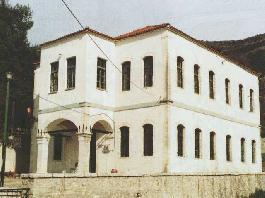
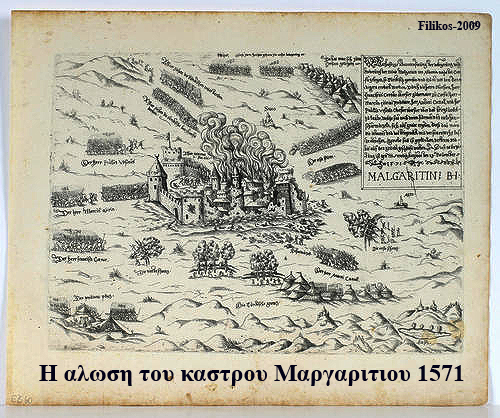
Margariti is a traditional village featuring cobblestone streets, stone houses, and historic fountains. According to historical records, Margariti was founded in the 15th century and, during its peak, served as a significant fortress and an important commercial center of the era. Several stone mansions from past centuries are still preserved, along with the ruins of a Venetian castle. The village fell under Ottoman rule in 1449, marking the beginning of a period of forced Islamization of its inhabitants.
In 1776 and 1779, Margariti was visited by the national martyr and teacher of the Greek nation, Kosmas the Aetolian. It was finally liberated by the Greek army on February 23, 1913.
Today, Margariti serves as the seat of the Margariti Municipality. It hosts public services, schools, associations, and organizations dedicated to preserving, promoting, and safeguarding the region’s cultural heritage and folk traditions. Throughout the year, various sports, cultural, and community events are organized to celebrate and maintain this legacy.
The village’s economy is primarily based on agriculture and livestock farming, but it also benefits significantly from commerce, small-scale craftsmanship, and professional activities. In recent years, tourism has also become an increasingly important contributor.
The area offers hotels and accommodations that provide visitors with comfortable and welcoming stays, making Margariti a perfect blend of history, culture, and modern hospitality.
|
|



 Greek
Greek  English






 Map
Map