PORTUGAL PORTUGAL
 |
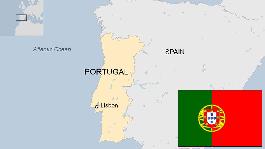
Portugal occupies the western edge of the Iberian Peninsula, facing the Atlantic Ocean with a long, continuous coastline that shapes much of its identity. The country feels outward-looking, defined by maritime horizons, shifting light, and a history closely tied to navigation and exploration.
The geography transitions gradually from north to south. In the north, near Porto and the Douro Valley, the terrain is more rugged and green, with terraced vineyards carved into steep hills along the Douro River. The landscape feels textured and layered, shaped by agriculture and river movement.
Moving south toward Lisbon, the country opens into broader estuaries and rolling hills. Lisbon itself is built across a series of slopes overlooking the Tagus River, where the city meets the Atlantic. Its structure is defined by elevation, viewpoints, and a constant interplay between narrow streets and wide, luminous river vistas.
Further south, the Algarve region introduces a different coastal character—warmer, drier, and more sculpted by erosion. Cliffs, coves, and sandy beaches alternate along the shoreline, with water that is often clear and brightly colored under strong sunlight.
Throughout the country, smaller towns and rural areas maintain a close relationship with land and tradition. Whitewashed villages, tiled façades, and agricultural patterns—olive groves, vineyards, and cork forests—create a consistent visual language that ties regions together despite geographic variation.
Portugal’s atmosphere is also shaped by its cultural tone. There is a noticeable sense of continuity between past and present, expressed in architecture, music, and daily rhythms. The sound of Fado, with its melancholic and reflective character, captures something essential about the national mood—introspective, tied to memory, and oriented toward the sea.
What defines Portugal is its balance between edge and interior: a country firmly rooted on land but constantly facing outward. The Atlantic is not just a boundary but a presence, influencing light, climate, and identity, while the interior landscapes provide depth, texture, and continuity across regions.
|
|



 Greek
Greek  English