
——
—
Germany
berlin
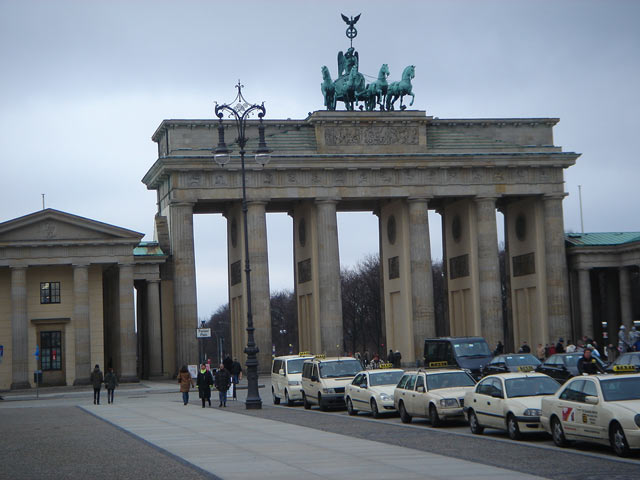
Berlin is the capital city of Germany and one of the most important cultural, political, and economic centers in Europe. It is known for its rich history, modern architecture, and vibrant creative sce...
munich
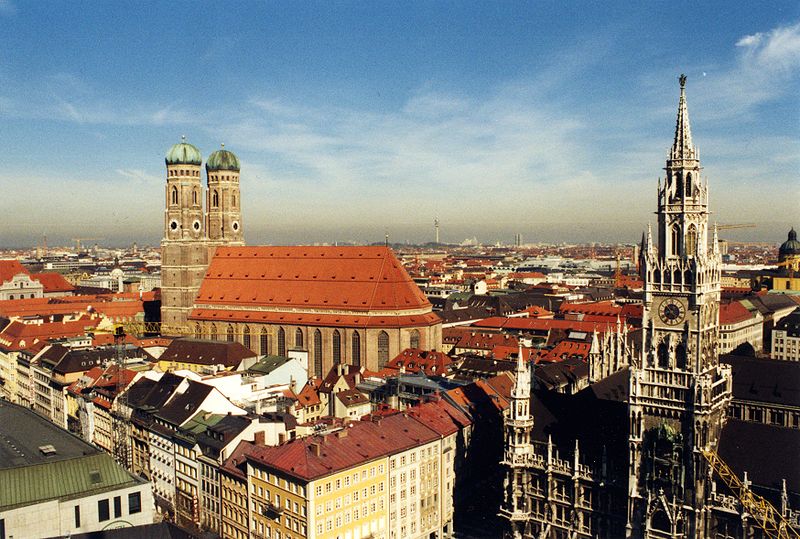
Munich is a major city in southern Germany and the capital of the state of Bavaria. It is known for its rich traditions, historic architecture, and strong economy. The city combines a deep cultural he...
hamburg
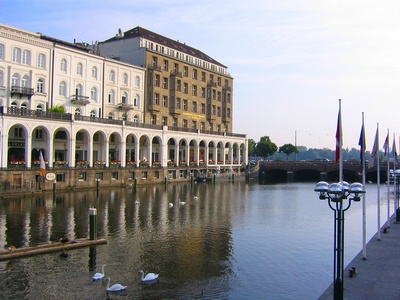
Hamburg is a major city in northern Germany and one of the most important port cities in Europe. It is located on the River Elbe and has a strong maritime and trading tradition. The city is known for ...
dusseldorf
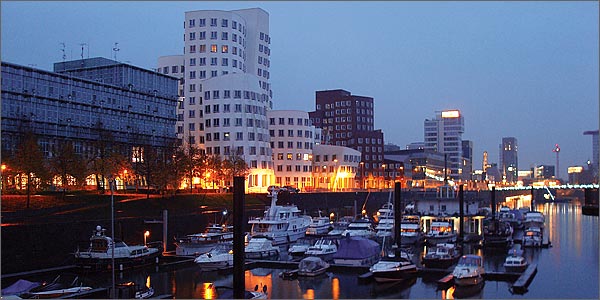
Dusseldorf is a modern city located in western Germany and is known for its fashion industry, lively nightlife, and beautiful architecture. Here are some tips and recommendations for travelers plannin...

cologne
Cologne is one of Germany's oldest and most vibrant cities, located on the banks of the Rhine River in the western part of the country. With a history spanning more than 2,000 years, Cologne is a fasc...
essen
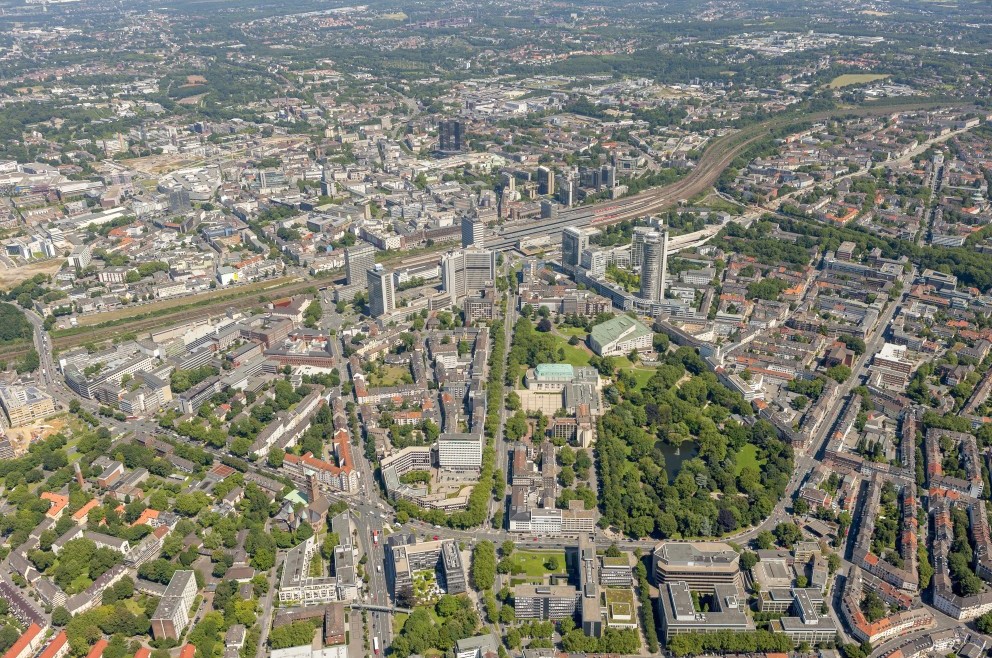
Located in the heart of the Ruhr region, Essen is a city that seamlessly blends industrial heritage with green landscapes and contemporary culture. Once dominated by coal mines and steel production, i...
berlin
Berlin is the capital city of Germany and one of the most important cultural, political, and economic centers in Europe. It is known for its rich history, modern architecture, and vibrant creative sce...
munich
Munich is a major city in southern Germany and the capital of the state of Bavaria. It is known for its rich traditions, historic architecture, and strong economy. The city combines a deep cultural he...
hamburg
Hamburg is a major city in northern Germany and one of the most important port cities in Europe. It is located on the River Elbe and has a strong maritime and trading tradition. The city is known for ...
dusseldorf
Dusseldorf is a modern city located in western Germany and is known for its fashion industry, lively nightlife, and beautiful architecture. Here are some tips and recommendations for travelers plannin...
cologne
Cologne is one of Germany's oldest and most vibrant cities, located on the banks of the Rhine River in the western part of the country. With a history spanning more than 2,000 years, Cologne is a fasc...
essen
Located in the heart of the Ruhr region, Essen is a city that seamlessly blends industrial heritage with green landscapes and contemporary culture. Once dominated by coal mines and steel production, i...
About Germany
Germany is a beautiful country in Central Europe and one of the most popular travel destinations in the world. It has cities with centuries of history, important historical monuments, stunning natural landscapes, excellent infrastructure, and a wide variety of activities for visitors.
Germany is one of the largest countries in Europe and has the highest population among all countries in the European Union. It is often described as its driving force, as it is one of the most important industrialized and developed nations in the world. In fact, it is the third-largest economy globally. It produces automobiles, precision machinery, electronic and telecommunications equipment, chemical and pharmaceutical products, and many other goods. German companies have made major investments in Central and Eastern European countries that joined the European Union in 2004. It is also one of the founding members of the European Union.
Germany is a federal republic with a long and complex history. Regarding modern historical events that shaped its current political structure, Germany was unified from 1871 to 1945. After World War II, it was divided into East and West Germany, and it was reunified again following the fall of the Berlin Wall in 1989. At that time, the former German Democratic Republic was merged with the Federal Republic of Germany, and five new federal states were added to the country. Today, Germany is divided into sixteen federal states, each with its own government and symbols such as a flag and coat of arms. Some even have their own anthem, such as Bavaria. Three of these states are city-states: Berlin, the capital; Hamburg, the second largest city and main port; and Bremen. The remaining thirteen states represent the historical continuation of independent German regions before the 1871 unification, with some created after World War II and others after reunification in 1989.
Germany is also a country of remarkable natural beauty. It is bordered to the north by the North Sea and the Baltic Sea, and to the south it reaches the Alps. It is crossed by some of Europe's major rivers, including the Rhine, the Danube, and the Elbe. It shares borders with Denmark to the north, Poland and the Czech Republic to the east, Austria and Switzerland to the south, and France, Luxembourg, Belgium, and the Netherlands to the west. Visitors are often impressed by its alpine valleys, lakes, beaches, and charming towns and villages with distinctive architecture and rich cultural heritage.
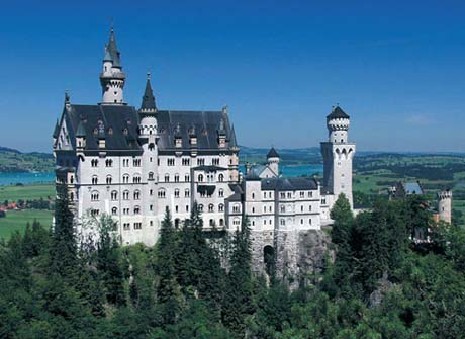
There are many historical sites and monuments that every visitor should see, such as Cologne Cathedral, Neuschwanstein Castle, Heidelberg Castle, the Church of Our Lady in Dresden, Marienplatz in Munich, and the Reichstag in Berlin, among many others. Major cities like Berlin, Cologne, Frankfurt, Hamburg, and Munich offer countless attractions and cultural experiences.
Germany has also produced many influential figures in arts and sciences. It is the birthplace of composers such as Bach, Beethoven, Mozart, and Brahms, and has made a major contribution to classical music in Europe. It is also home to important philosophers and writers such as Luther, Goethe, Schiller, Nietzsche, Kant, Brecht, and Thomas Mann.
Germany is world-famous for its high-quality beer production, and excellent wines are also produced in regions such as the Moselle and Rhine valleys. With its excellent tourism infrastructure and endless opportunities for exploration, Germany is a country where visitors are never bored.


Reviews
No reviews yet. Be the first to share your experience!