
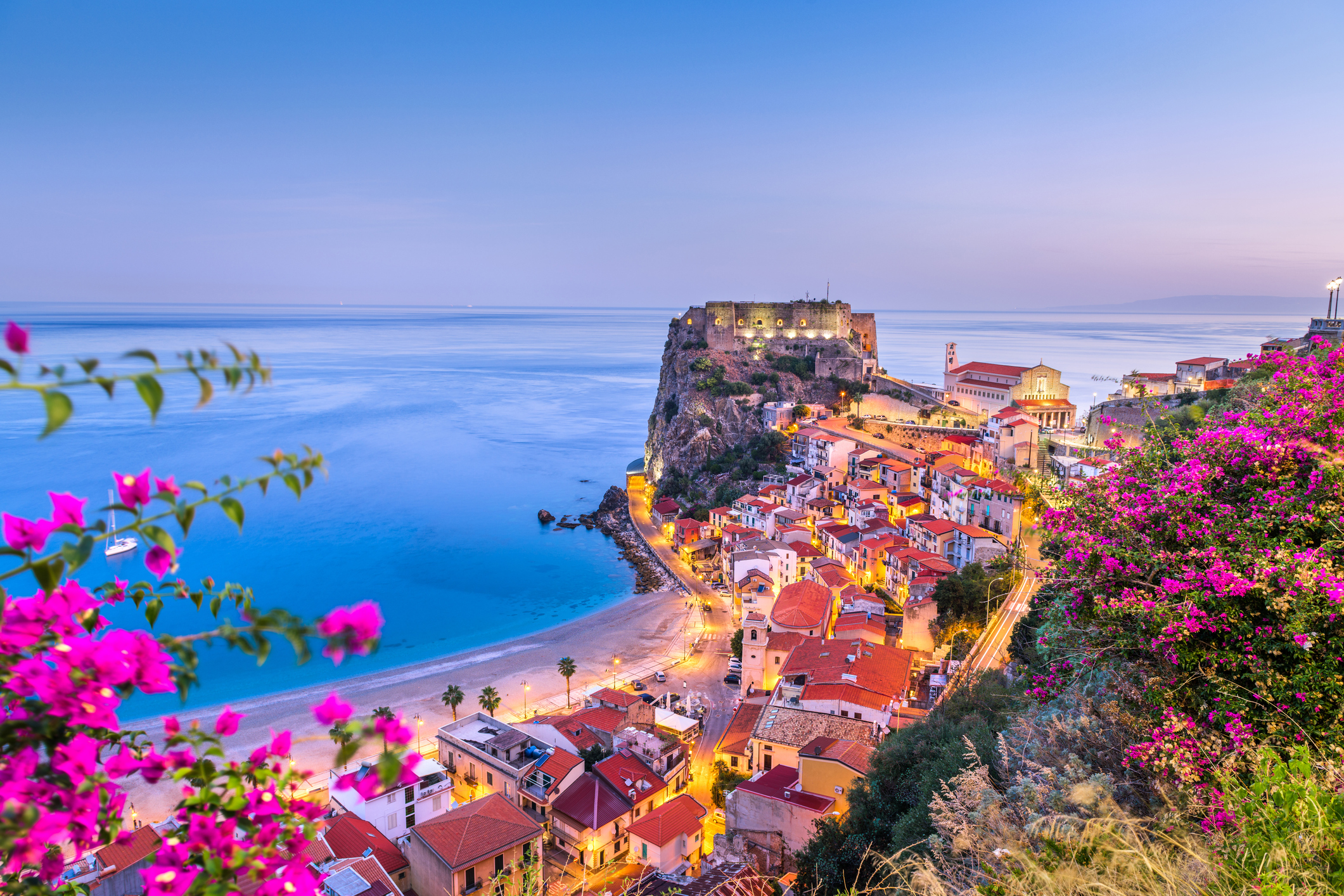
——
—
Calabria
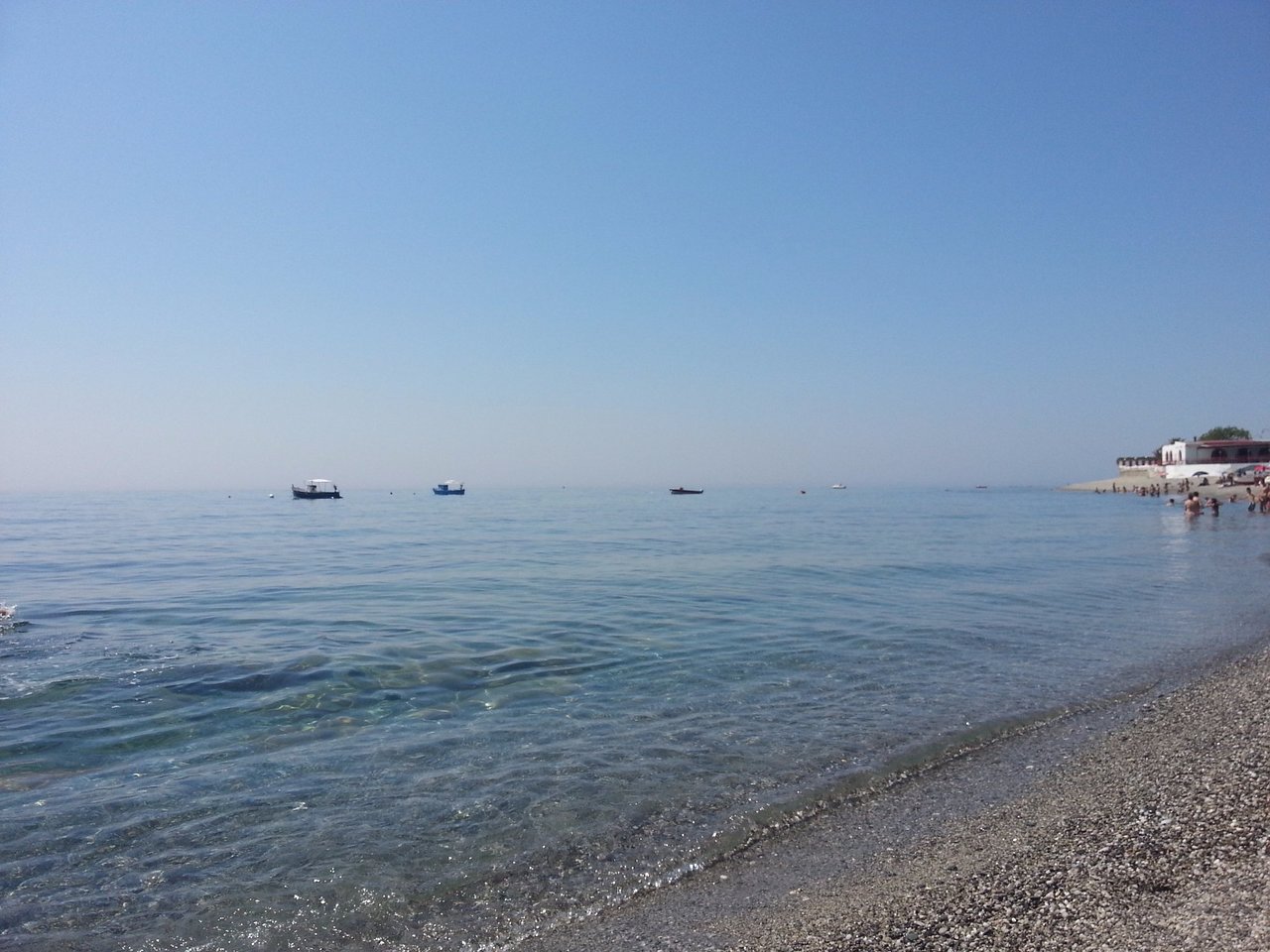
brancaleone marina
Brancaleone Marina stretches along the southern Ionian coast of Calabria, where the land opens directly onto the wide horizon of the Ionian Sea. The setting is expansive and sunlit, defined by long, q...
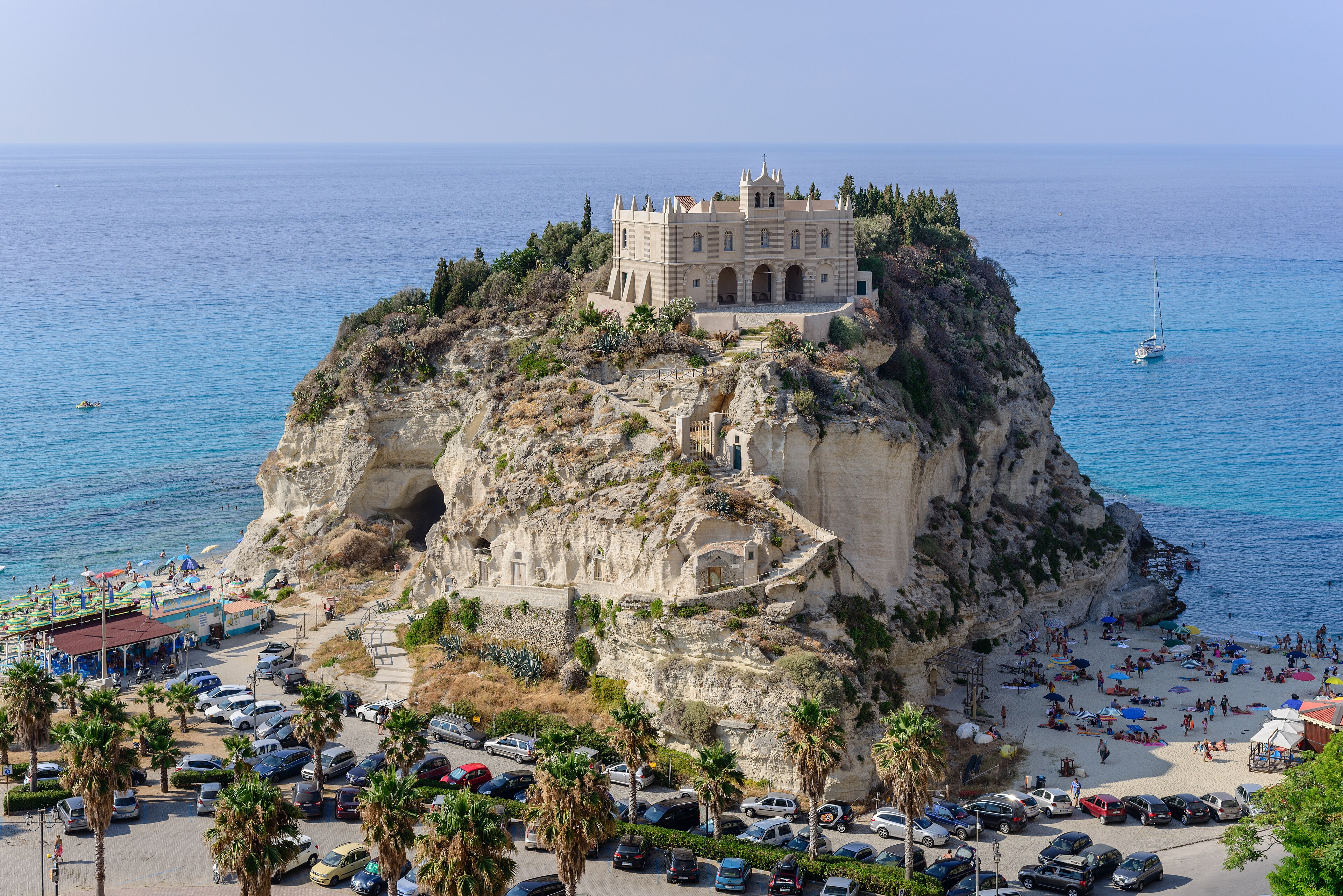
tropea
Tropea stands dramatically along Calabrias Tyrrhenian coast, perched atop sheer sandstone cliffs that drop directly into intensely clear, turquoise water. The town appears almost suspended above the s...

reggio di calabria
Reggio di Calabria is a historic coastal city in southern Italy, located at the tip of the Italian peninsula, directly facing Sicily across the Strait of Messina. It is the largest city in the region ...

lamezia terme
Lamezia Terme is a city in southern Italy, located in the Calabria region. It was formed in 1968 by the merger of three older towns and has since become an important administrative, commercial, and tr...
brancaleone marina
Brancaleone Marina stretches along the southern Ionian coast of Calabria, where the land opens directly onto the wide horizon of the Ionian Sea. The setting is expansive and sunlit, defined by long, q...
tropea
Tropea stands dramatically along Calabrias Tyrrhenian coast, perched atop sheer sandstone cliffs that drop directly into intensely clear, turquoise water. The town appears almost suspended above the s...
reggio di calabria
Reggio di Calabria is a historic coastal city in southern Italy, located at the tip of the Italian peninsula, directly facing Sicily across the Strait of Messina. It is the largest city in the region ...
lamezia terme
Lamezia Terme is a city in southern Italy, located in the Calabria region. It was formed in 1968 by the merger of three older towns and has since become an important administrative, commercial, and tr...
About Calabria
Calabria forms the rugged "toe" of Italy, a land where mountains and sea exist in constant proximity. Bordered by both the Tyrrhenian and Ionian seas, it carries a sense of openness at the edges and isolation in its interior, creating a region that feels both expansive and remote.
The coastline is long and varied. On the Tyrrhenian side, cliffs and rocky shores drop into deep, clear water, while the Ionian coast opens into broader beaches and softer landscapes. The sea is a constant presence, shaping the light, the air, and the rhythm of daily life in coastal towns.
Inland, Calabria becomes more rugged and less inhabited. Mountain ranges such as the Aspromonte rise steeply, covered in forests and cut by narrow valleys. Villages are often perched high above the coast, positioned for defense in earlier centuries, and now offering wide, uninterrupted views across land and sea.
The regions towns and cities tend to feel grounded and unembellished. Life here follows a slower, more traditional pace, with strong ties to local customs and family structures. Calabria has long been less influenced by large-scale tourism, which contributes to its sense of authenticity and relative quiet.
Culturally, it reflects layers of history-from ancient Greek settlements to later influences-though these are often subtle, embedded in place names, ruins, and local traditions rather than prominently displayed.
What defines Calabria is its rawness and contrast. It is a place where the landscape remains dominant, where distances feel longer than they appear, and where the experience is shaped by a direct, unfiltered connection to both mountains and sea.