Epidayros Epidayros
 |
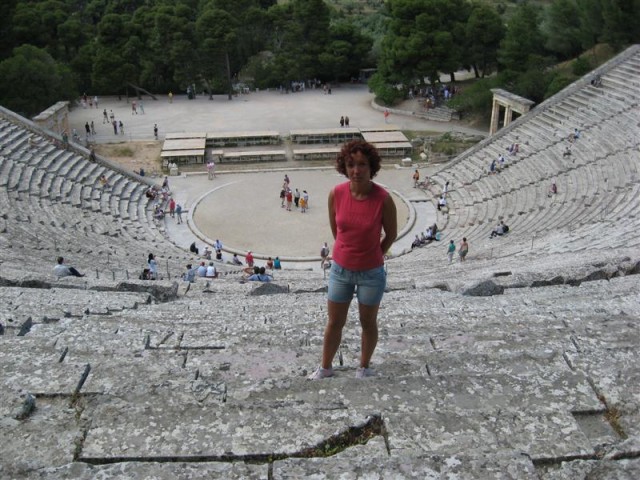
Epidaurus. A name steeped in cultural heritage, a place with a millennia-old history and unique natural beauty. Here, the lush greenery of wooded landscapes and the fragrant orchards blend seamlessly with the sapphire sea and the saltiness of the Argolic Gulf. It is no coincidence that the Ancient Greeks chose Epidaurus to establish the Asclepius Sanctuary, a renowned healing center dedicated to the god Asclepius, as well as the most important and beautiful ancient theater, where classical drama flourished and continues to play a central role in the region’s cultural life.
In this idyllic setting lies the Municipality of Epidaurus, which administratively includes Ancient and New Epidaurus, along with the picturesque villages of Demaena and Koliaki. Located on the eastern side of Argolis, 40 km from Nafplio, it stretches across a historic region tied to key events in modern Greek history. Here, the first Greek state was established, the first laws were enacted, and in December 1821, the First National Assembly of the Greeks took place, during which the blue-and-white flag was adopted and the Epidaurus Constitution—one of the most progressive of its time—was drafted.
Ancient Epidaurus, where the municipal seat is located, is a small and charming fishing village built on the site of the ancient city of Epidaurus, renowned since antiquity for its advanced culture. Its natural harbor is accompanied by a small peninsula called “Nisi,” home to the small ancient theater of Epidaurus, affectionately known as the “Saronic Shell,” which in recent years has been used for various cultural events, mainly during July.
Today, approximately 2,000 permanent residents live in Ancient Epidaurus, swelling to around 10,000 in summer, as the Epidaurus Festival attracts art lovers, while the beauty of the surrounding nature enchants all visitors.
The village of New Epidaurus lies 8 km from Ancient Epidaurus. Here, the landscape differs, with the village built on rocky slopes and remnants of the Venetian castle evoking memories of the past. Exploring the area, visitors will encounter the Vothyla Gorge, one of Greece’s most beautiful gorges, while the opposite slope is covered by the stunning pine forest of Mount Akros. The village stretches to the sea, where two natural bays create a picturesque maritime scene worthy of a painting.
One of the newer villages in the area is Demaena, located in a fertile plain dotted with peach, apricot, pear, orange, and olive trees, filling the land with color and intoxicating scents. The exceptional beauty of the wider area, the fertility of the soil, and the residents’ dedication to their land have attracted many young people to farming. In Demaena’s orchards and greenhouses, a variety of fruits and vegetables are cultivated.
On the opposite side of Ancient Epidaurus lies Koliaki, another traditional village, known for its breathtaking views and as a culinary hotspot. Local tavernas serve unique Peloponnesian recipes made with fresh, local ingredients. Visitors can also purchase handmade noodles and fresh village bread from the local bakery. Nearby is the small village of Tracheia, known for its dairy products, while the green mountain slopes are home to free-roaming flocks of goats and sheep, offering a glimpse of rural life far removed from city living.
Throughout the municipality of Epidaurus, many churches and monasteries stand, most with historical significance, bearing the marks of time and reflecting their role during Ottoman rule and the Greek War of Independence. Notable sites include: the Monastery of Agnountos, dating from the 11th century, just 2 km from New Epidaurus, featuring a fortress-like structure with towers, battlements, armories, and high walls, with a church dedicated to the Dormition of the Virgin adorned with unique frescoes; the Monastery of Kalamiou, built on a hill with stunning views, 22 km from Ancient Epidaurus; and the Monastery of the Archangels, founded in the mid-15th century, which played a significant role in the national liberation struggle.
|
|



 Greek
Greek  English







 Map
Map